






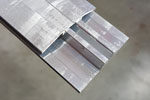

Multiwall Polycarbonate Sheets: The Ideal Glazing Solution
Versatile Applications for Greenhouses & Beyond
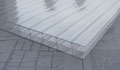
Multiwall polycarbonate sheets, often referred to as twinwall or multiwall, are the perfect glazing material for greenhouses and a variety of indoor and outdoor construction applications. These sheets offer a range of unique features that translate into significant cost-saving benefits for you. Manufactured by leaders in polycarbonate sheet extrusion, research, and technology, our polycarbonate sheets set the industry standard for quality.
Superior Features
- UV Protection: The surface of our multiwall polycarbonate sheets is protected from the degrading effects of UV radiation through a proprietary co-extrusion process. This feature ensures durability and longevity.
- Ideal Growth Environment: Beneficial infrared light passes through the material, promoting an optimal environment for plant growth.
- Flame Retardant Properties: The resins used in manufacturing these sheets are specially developed to provide excellent flame-retardant qualities.
- Energy Efficiency: Compared to traditional glass, polycarbonate sheets significantly reduce heat loss, with potential savings of up to 50% documented when used as test covers.
Additional Benefits
- High Impact Resistance: Single-wall corrugated polycarbonate sheets retain many advantages of polycarbonate glazing, including exceptional durability and the ability to block 99.9% of harmful UV rays.
- Condensate Control: Our DynaGlas® Plus features built-in condensate control and a 10-year warranty, ensuring reliable performance.
- Macrolux Advantages: Macrolux multiwall polycarbonate sheets are extruded from high-tech polycarbonate resin and feature a protective layer to counteract weathering effects from UV rays. Macrolux Rooflite sheets are designed to provide superior natural lighting in indoor spaces or outdoor decks.
Thermal Expansion Considerations
When installing polycarbonate sheets, it’s important to account for thermal expansion:
- Clear & Opal Panels: Allow 1/8″ of expansion per 3 feet for every 100°F temperature difference.
- Bronze Panels: Allow 1/4″ of expansion per 4 feet.
Competitive Pricing & Value
Be sure to evaluate the overall cost of your order before making a purchase. Get a fair price without compromising quality and service with PCS Plastics.
Why Pricing Matters
Price per square foot can be misleading. While a few cents saved per square foot might seem attractive, additional costs for shipping, handling, and packaging can quickly offset those savings. Always consider the minimum order costs, as they can increase the apparent list price.
Understanding Key Performance Metrics for Building Products
U-Factor
The U-Factor measures a product’s effectiveness at preventing heat from escaping a room. A lower U-Factor indicates superior insulation, helping to retain warmth inside.
Range: 0.20 – 1.20
Visible Transmittance
Visible Transmittance assesses how effectively a product allows natural light to illuminate your home. Higher values mean more daylight enters, which can reduce reliance on artificial lighting and lower energy costs.
Range: 0 – 1
Solar Heat Gain Coefficient
The Solar Heat Gain Coefficient (SHGC) indicates how well a product prevents unwanted heat gain, which is particularly vital during summer months. A lower SHGC helps reduce cooling expenses.
Range: 0 – 1
Air Leakage
Air Leakage measures the volume of air that enters a room through a product. Lower values signify fewer drafts and a more comfortable indoor environment.
Range: ≤ 0.3
16mm / 25mm RDC Storm Panels
Our 16mm / 25mm RDC Storm Panels are constructed from clear polycarbonate, offering substantial protection for windows and doors against hurricane-force winds, flying debris, and severe weather, all while allowing natural light to enter.
These panels have successfully passed the Dade County Hurricane Test and have demonstrated resilience against large missile impacts, specifically a 9 lb 2″ x 4″ missile shot from an air cannon. The missile bounced off the panel without causing damage to either the storm panel or the glass behind it. Additionally, the panels can withstand high air pressure and simulated winds of 170 MPH.
Chemical Resistance and Thermal Properties
Polycarbonate exhibits exceptional chemical resistance to a variety of substances, including:
- Acids
- Oxidizing/Reducing Agents
- Neutral & Acid Salt Solutions
- Greases & Oils
- Detergents
- Saturated, Aliphatic, & Cycloaliphatic Hydrocarbons
- Alcohols
With an extremely high melting point of approximately 288°C (550°F), polycarbonate is autoclavable—as a thermoplastic, it can be heated, cooled, and reheated without significant degradation.
Cleaning Stuck Film from Polycarbonate Panels
To remove stuck film from polycarbonate panels, follow these guidelines for effective cleaning:
- Heat Application: Use a hair dryer on a low heat setting to gently warm the film, loosening the adhesive for easier removal.
- Gentle Peeling: Once the film is heated, carefully peel it off using a soft cloth, working in small sections to avoid damage.
- Mild Cleaning Solution: If adhesive residue remains, clean the area with a mild soap solution mixed with warm water and a soft cloth.
- Avoid Harsh Chemicals: Do not use abrasive cleaners, strong solvents like acetone, or harsh chemicals, as these can damage the polycarbonate material.